“You can kill me as soon as you like, but you cannot stop the emancipation of women.”
Tahirih
WOMAN LIFE FREEDOM
I am a child of Iranian parents who fled Iran to escape religious persecution. Since the revolution in 1979 we have watched from afar as religious minorities and women suffer under the extremist government. It is illegal for women show their hair or not wear the islamic hair covering in public. From when little girls begin school at 6 years old they wear school uniforms to their segregated schools to be modest and adhere to the laws. There is a morality police specifically used to harass and arrest those who do not follow these laws. They have raped, tortured and murdered thousands of women and men for not following the rules or for speaking out about the injustice. Iran has the highest government sanctioned murders per capita in the whole world. I began a journey to tell their stories, shed light on their experiences and share our stories. These brave people in Iran are fighting for their freedom, risking their lives everyday. For those of us who are outside of Iran, I explore what it is like to be of an ethnic group, but not be able to visit our homeland, to be part of a culture, yet be so different from those who grow up there. It feels like a part of you is missing, yet we are all united in our belief that one day all Iranians of many different ethnicities and religions will one day be free to be in our homeland.
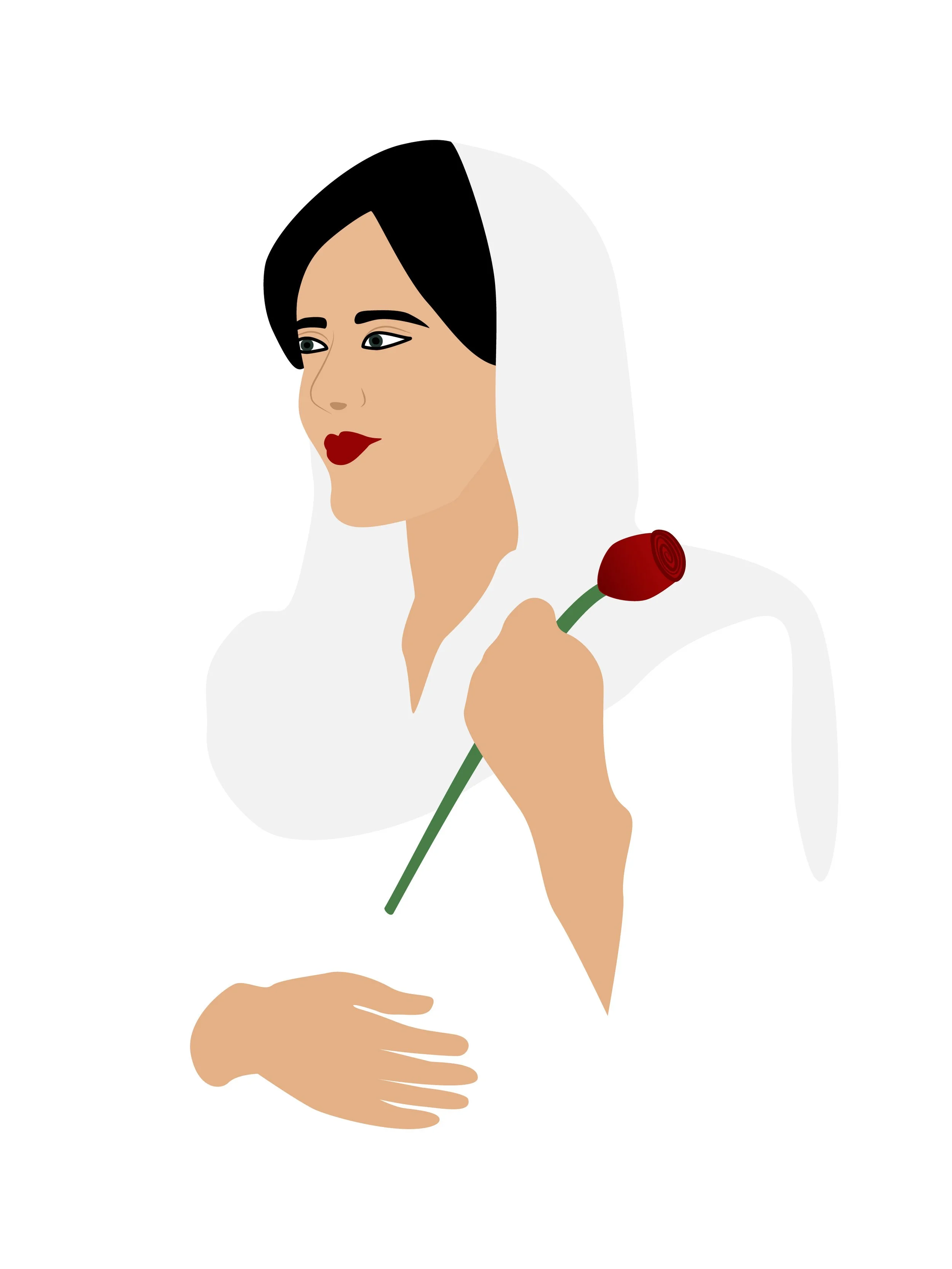
Jina Mahsa Amini was beaten to death on September 16, 2022 in Iran by the hijab police after being arrested for “bad hijab.” She was only twenty two years old. Her death ignited the Woman Life Freedom movement which began with the Kurdish population in Iran. Jina, who also is Kurdish was taken while she was visiting family in Tehran. The movement began before Jina and it will live on through her name and all the other women in Iran who suffer at he hands of the brutal government. She has become a symbol of a revolution to free Iran so that all its people can live freely.
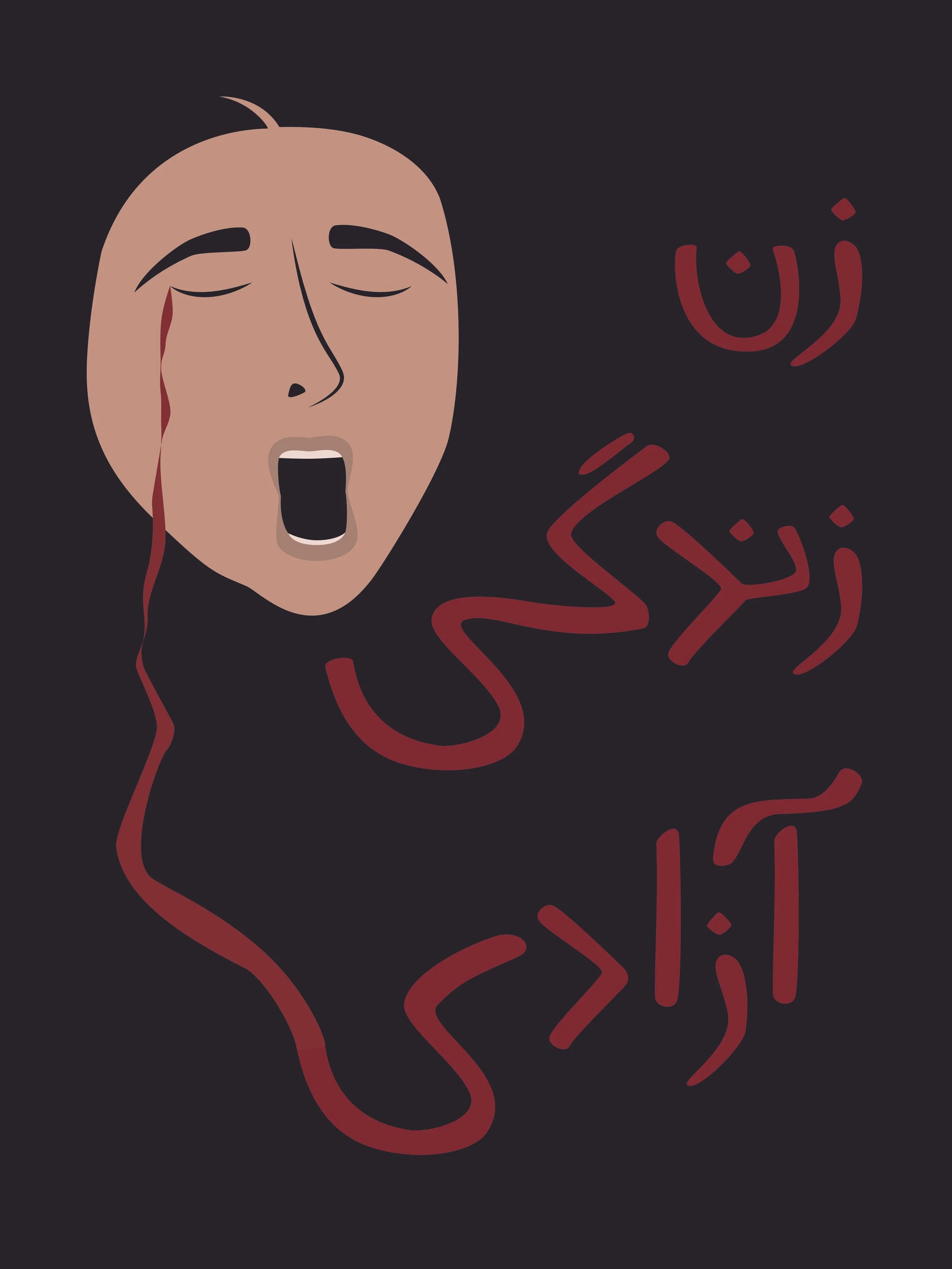
Woman Life Freedom. The slogan of the woman's rights movement in Iran. This slogan which began in the Kurdish communities in Iran has spread across the world. People taking to the streets in organized protests in the weeks and months after the murder of Jina Mahsa Amini to protest of the strict Islamic Rule by the Iranian government.

Elnaz Rekabi bravely competed in Seol, Korea at the International Federation of Sport Climbing's Asian Championship without wearing her hijab. On returning back to Iran she along with her passport and phone were confiscated. Her family were arrested and tortured and she was forced to say it was just a mistake that her hijab accidentally fell off.

Iranians haven't given up the fight for their freedom. There are still protests across Iran, acts of defiance, and people working to free themselves. Iranian women have some of the highest literacy rates in the world at 98.93%. Women are the majority of Iranians in universities across the country.
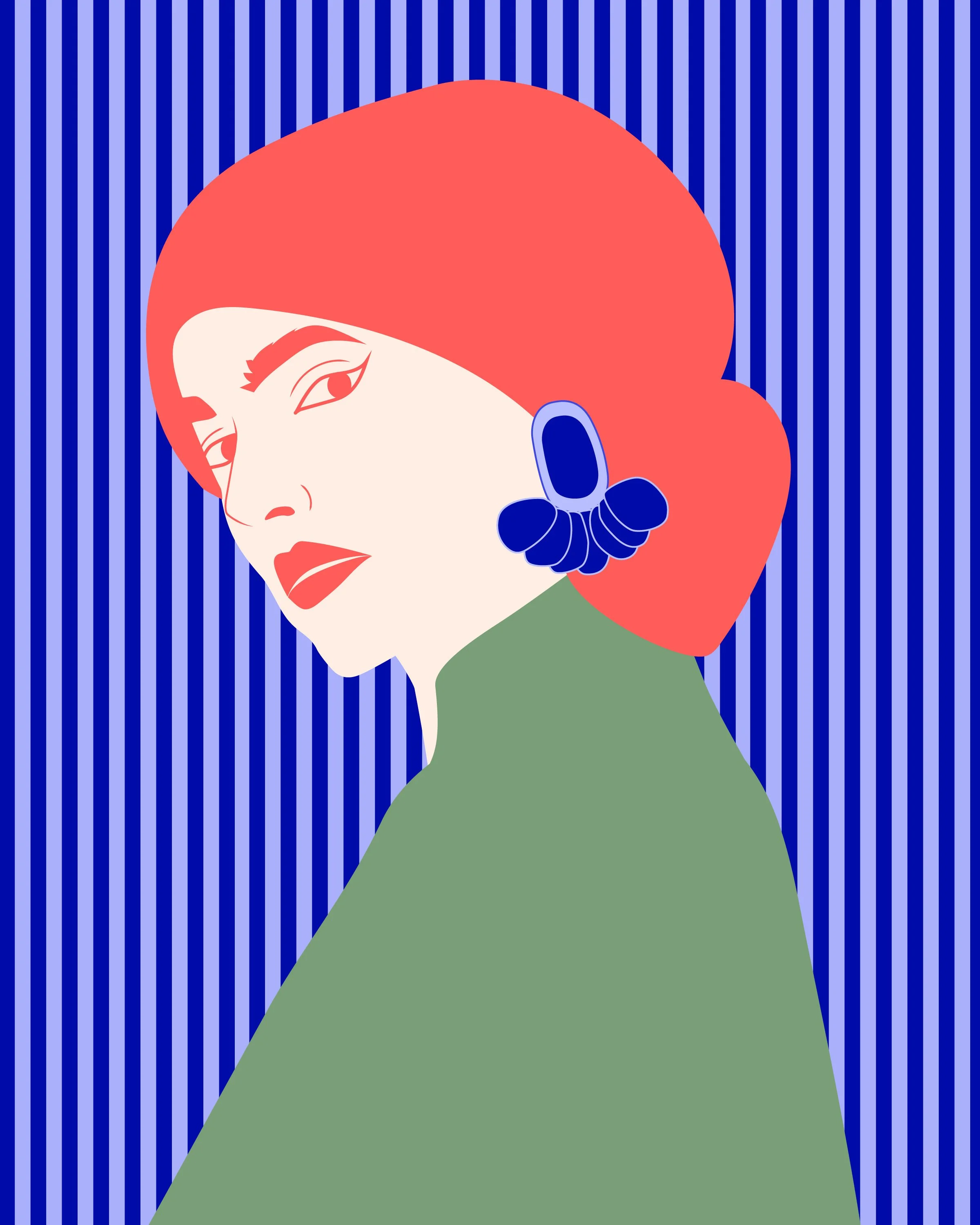
Before the 1979 Revolution that removed the Shah (King) and put the Islamic Republic of Iran in power Tehran was a global capitol of fashion and art. Iranians are still at the forefront of art and fashion from inside Iran and those who live abroad.
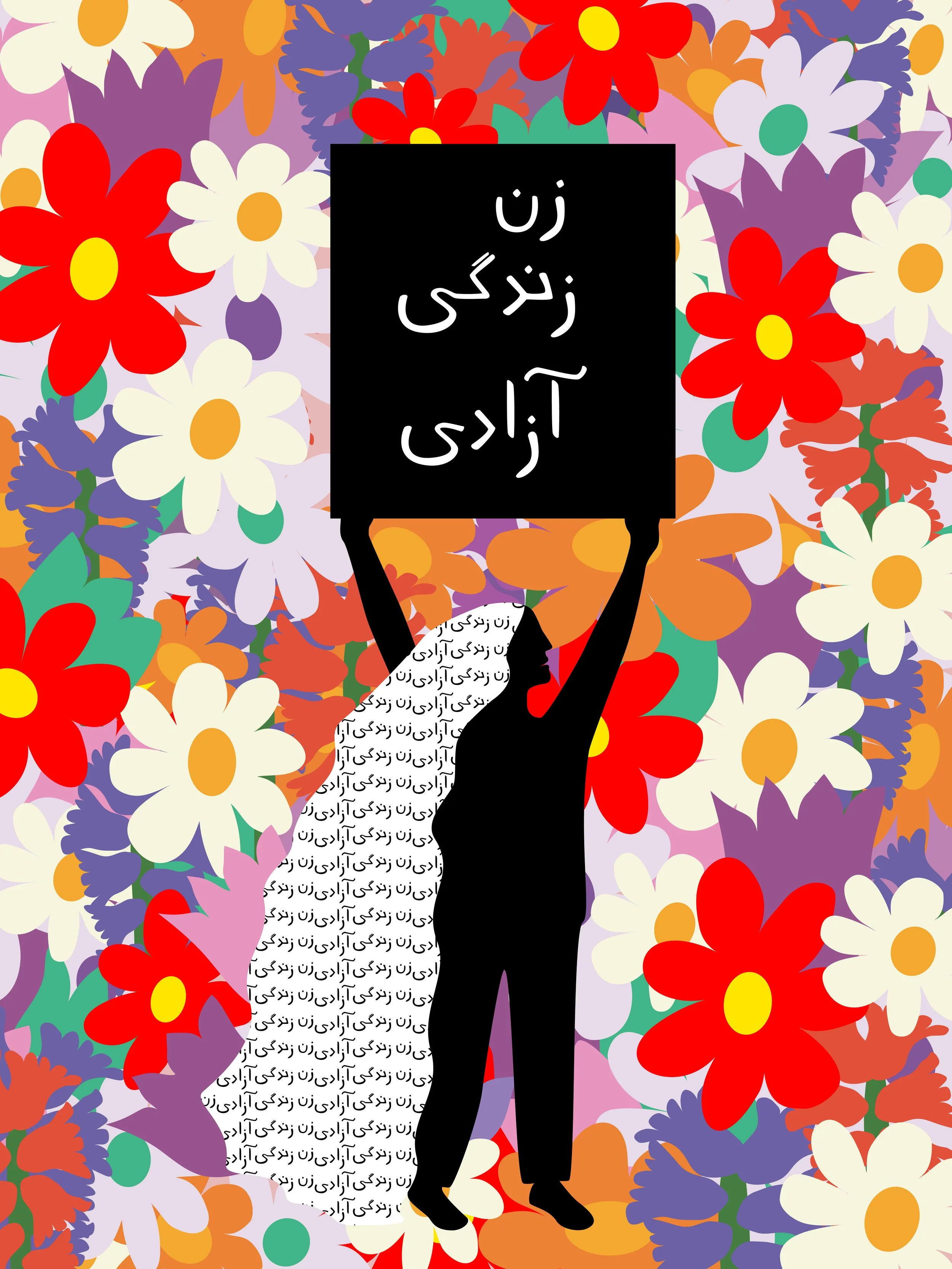
How can a woman's hair be such a threat to patriarchy? Are men so threatened by women that the mere sight of her hair can knock a man off his feet and bring out impure thoughts? Why as a society are we not focused on creating a world where women are safe to be themselves in any space.
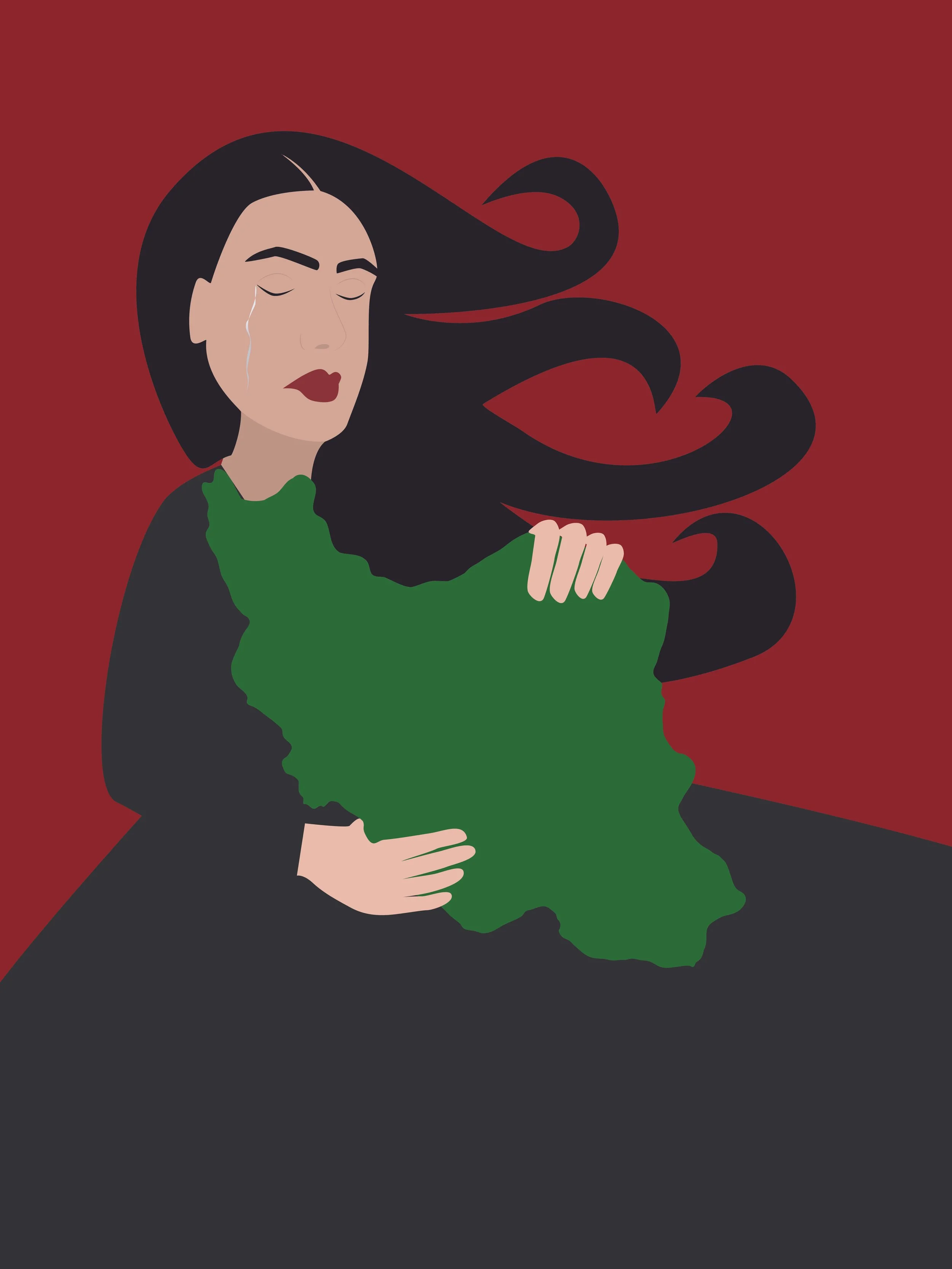
In my dreams I visit Iran. My father had a heart attack two years ago. In tears from the hospital bed he cried that he wishes he could one day visit his homeland with me before he dies. I hold his wish close to my heart and hope that one day as a family we can go back and see our ancestral home.
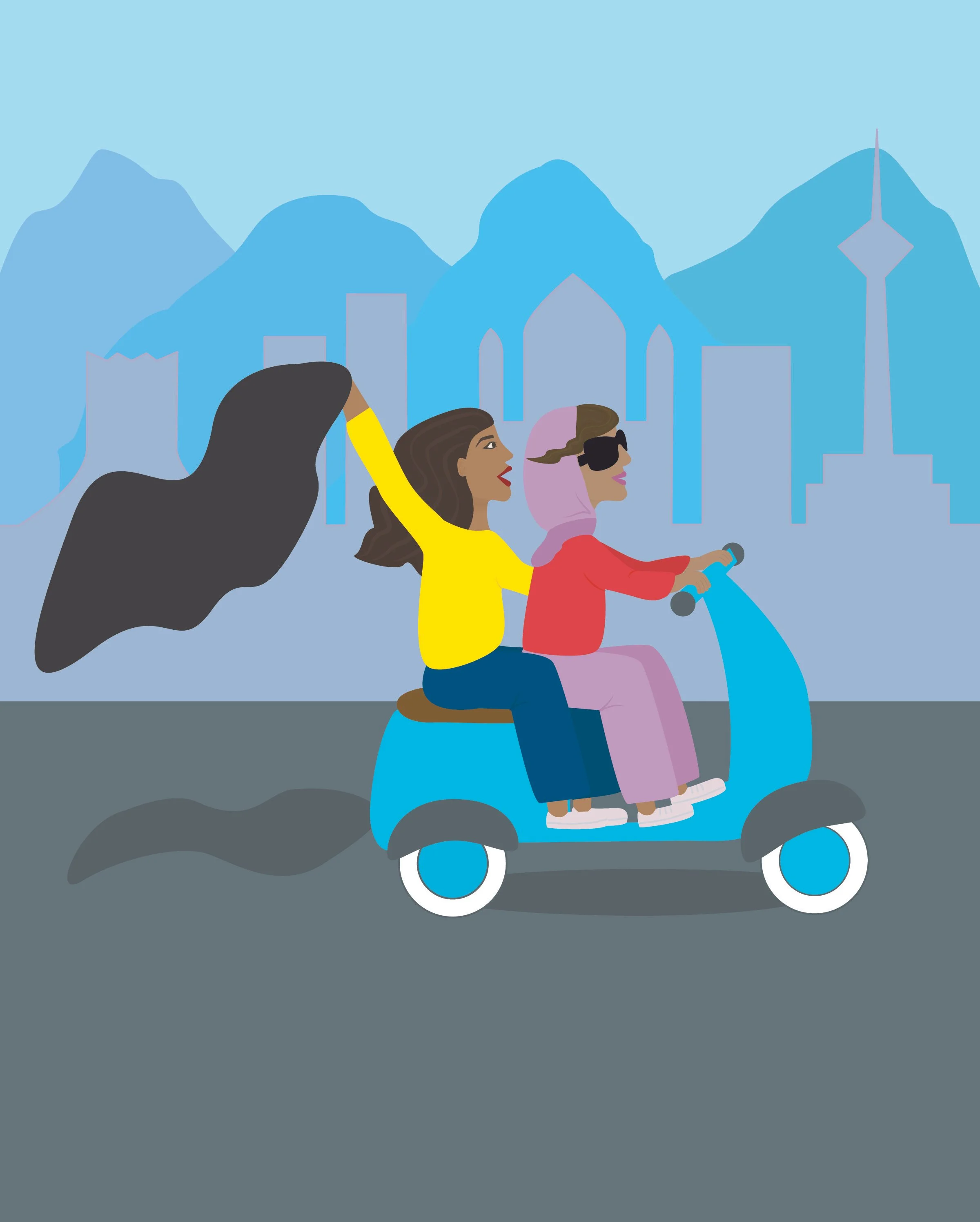
The Tehran of my dreams. Free to explore all the historical sights, eat the incredible food and meet the incredibly hospitable people. Iranian culture encompasses joy and generosity, we love to be with each other celebrating.
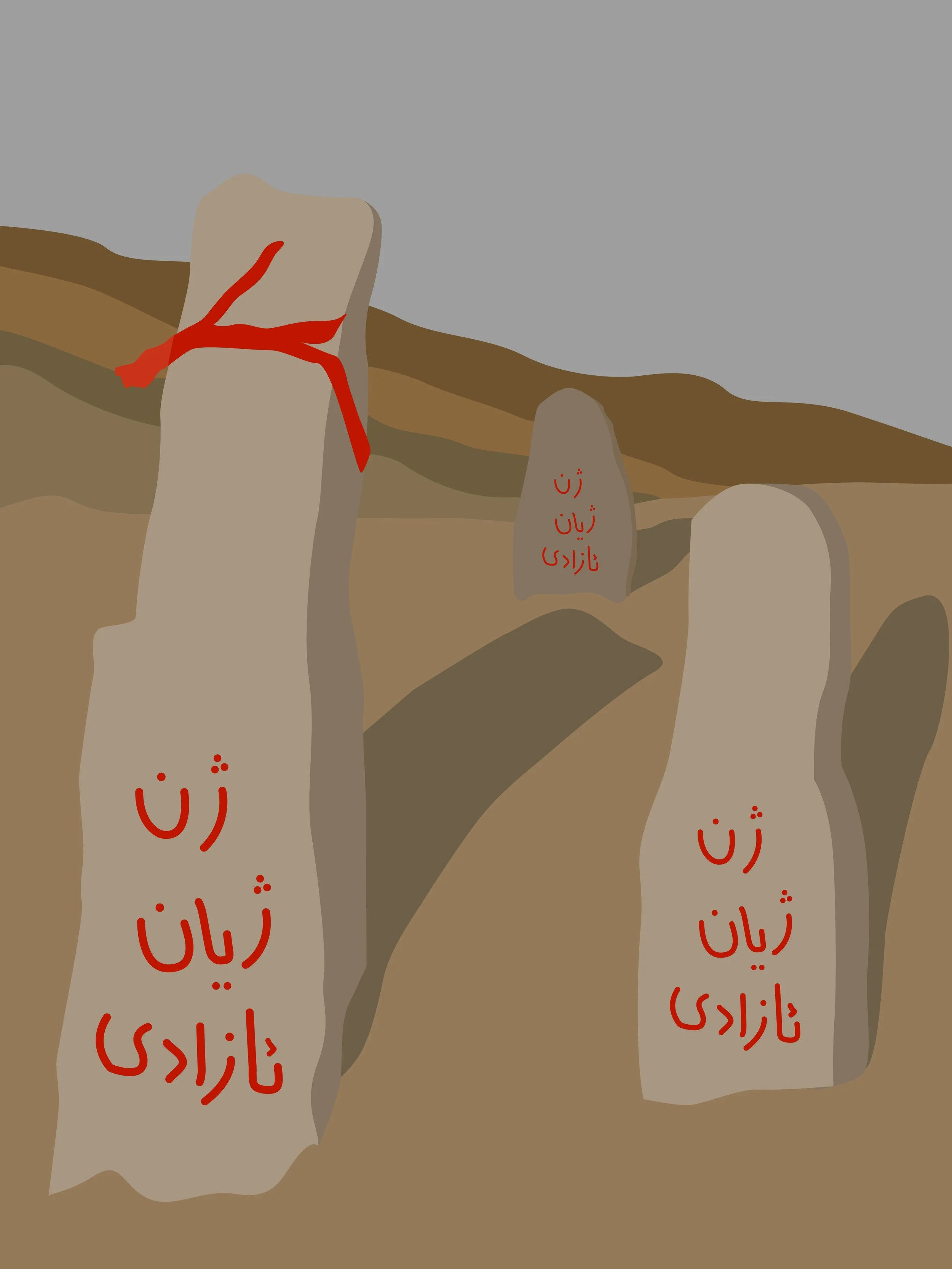
Fereshteh Ahmadi, a 32 year old mother of two children was with her seven year old on their rooftop watching the people below. She was shot and killed in front of her daughter by the government forces. The image of her daughter grieving over her mothers grave are beyond tragic. There are no words to justify such brutality. The words on her tomb stone "Jin Jiyan Zendeghi" are women, life, freedom in Kurdish. The slogan is from the Kurdish people who have experienced great oppression and discrimination from the Iranian government.
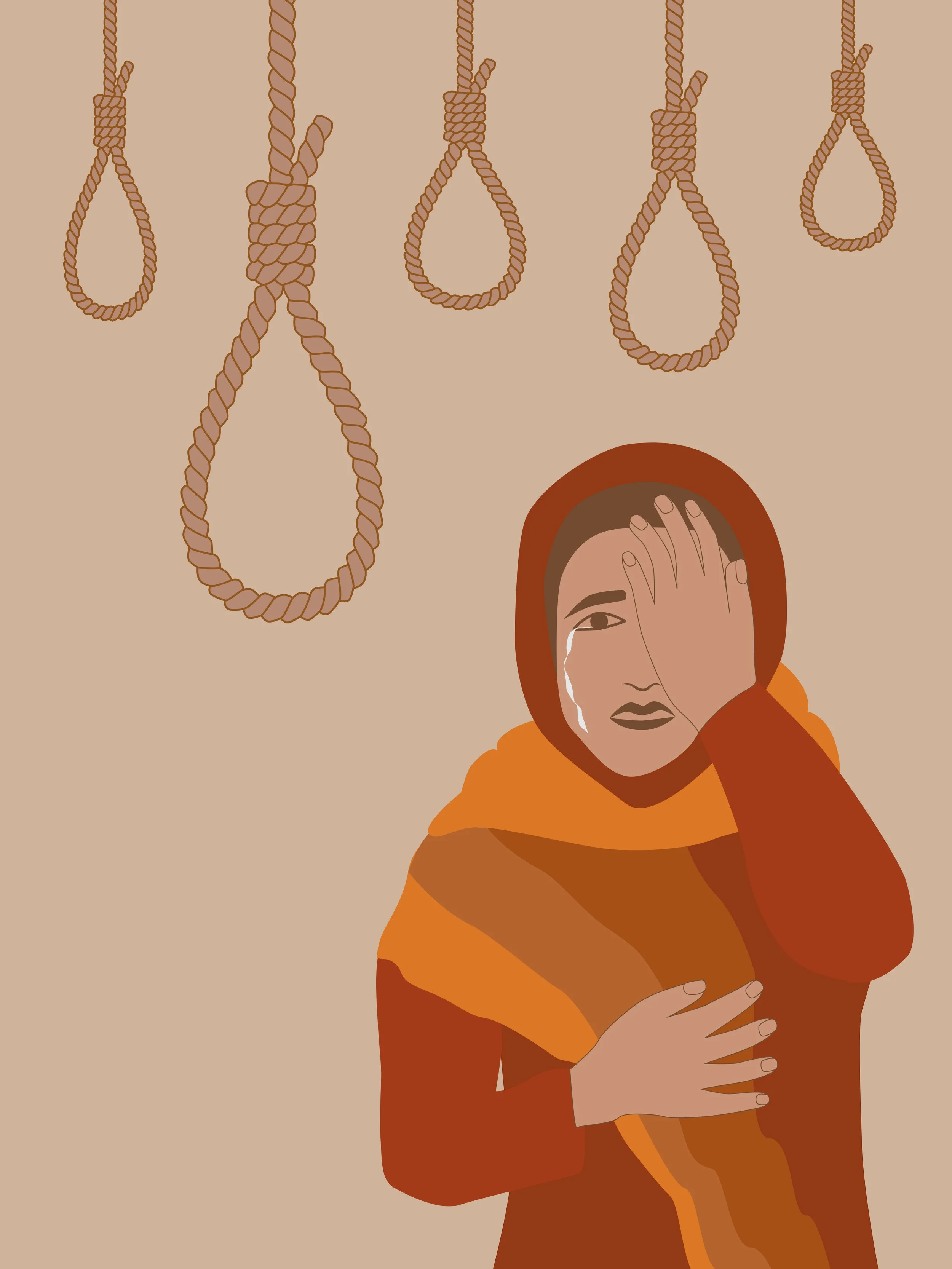
Sentenced to death for "crimes against God." Majidreza Rahnavard and Mohsen Shekari were hung for participating in anti-regime protests. The day of his killing Mohsen's mother wailed outside their home in the street. She called out for her son, screaming his name. He was only 23 years old. His family wasn't allowed to give their son a proper funeral for his burial. Majidreza was allowed a visit from his mother the night before his execution. Neither of them knew it would be the last time they would see each other. Security forces released a video they took of him before his execution where they asked him what he wanted the people to do for him upon his death. Je said "don't cry or read the Quran for me, be joyful, play happy music." thousands of people have been arrested by the government for speaking out for their basic human rights. Each of these people have mothers and fathers who are silenced once their children are taken. They aren't allowed to have proper funerals in case it brings more protests.
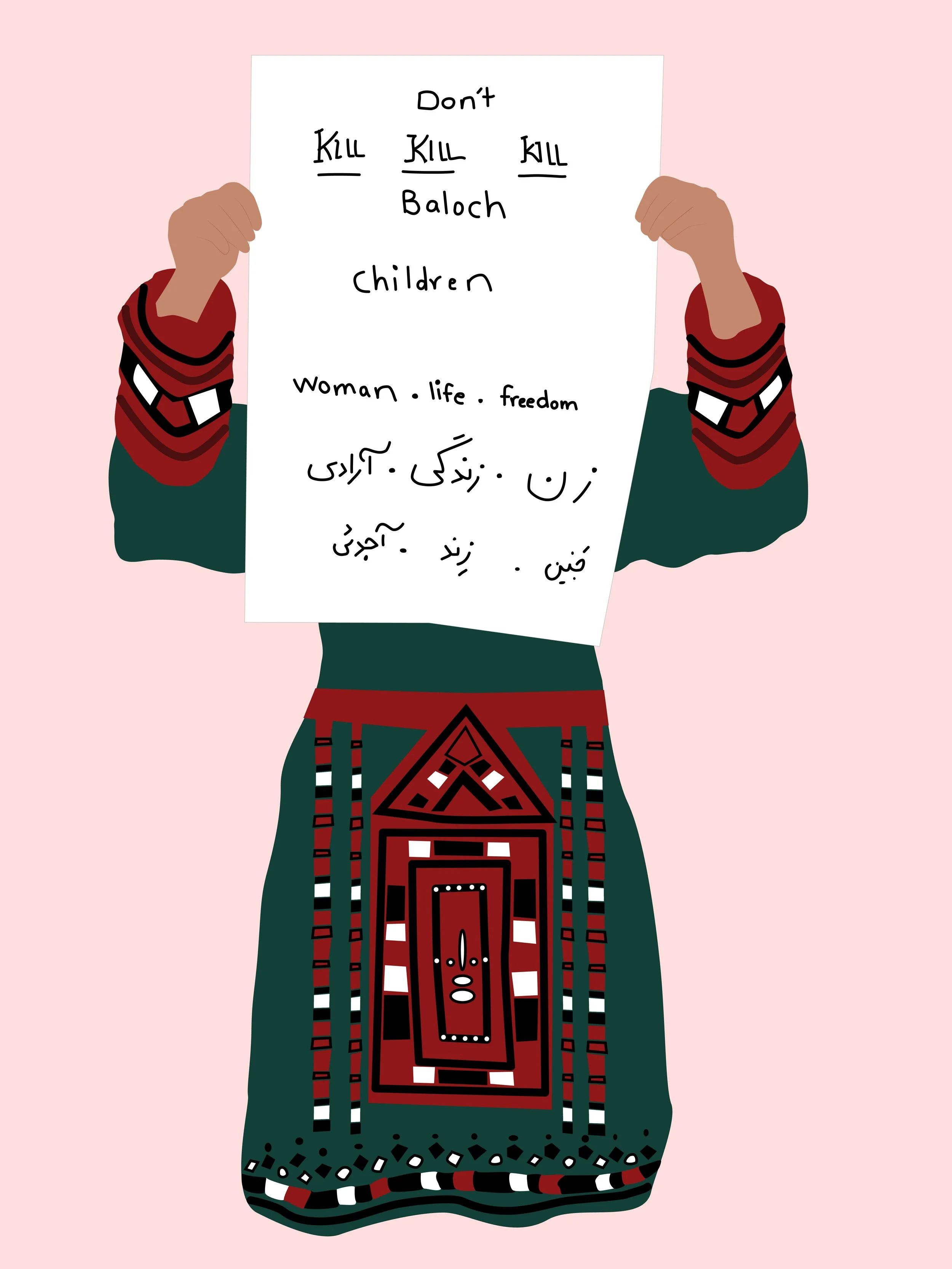
Mona Naqib, an eight year old Baluch girl that was killed by government forces, pleads before her death to end the killing of her people. She was on her way to school with her sister when she was murdered. Her last words were “I got shot” as she died in her sisters arms. Baluchi people are an ethnic minority in Iran. They have been systematically attacked in an effort to silence and erase their people.
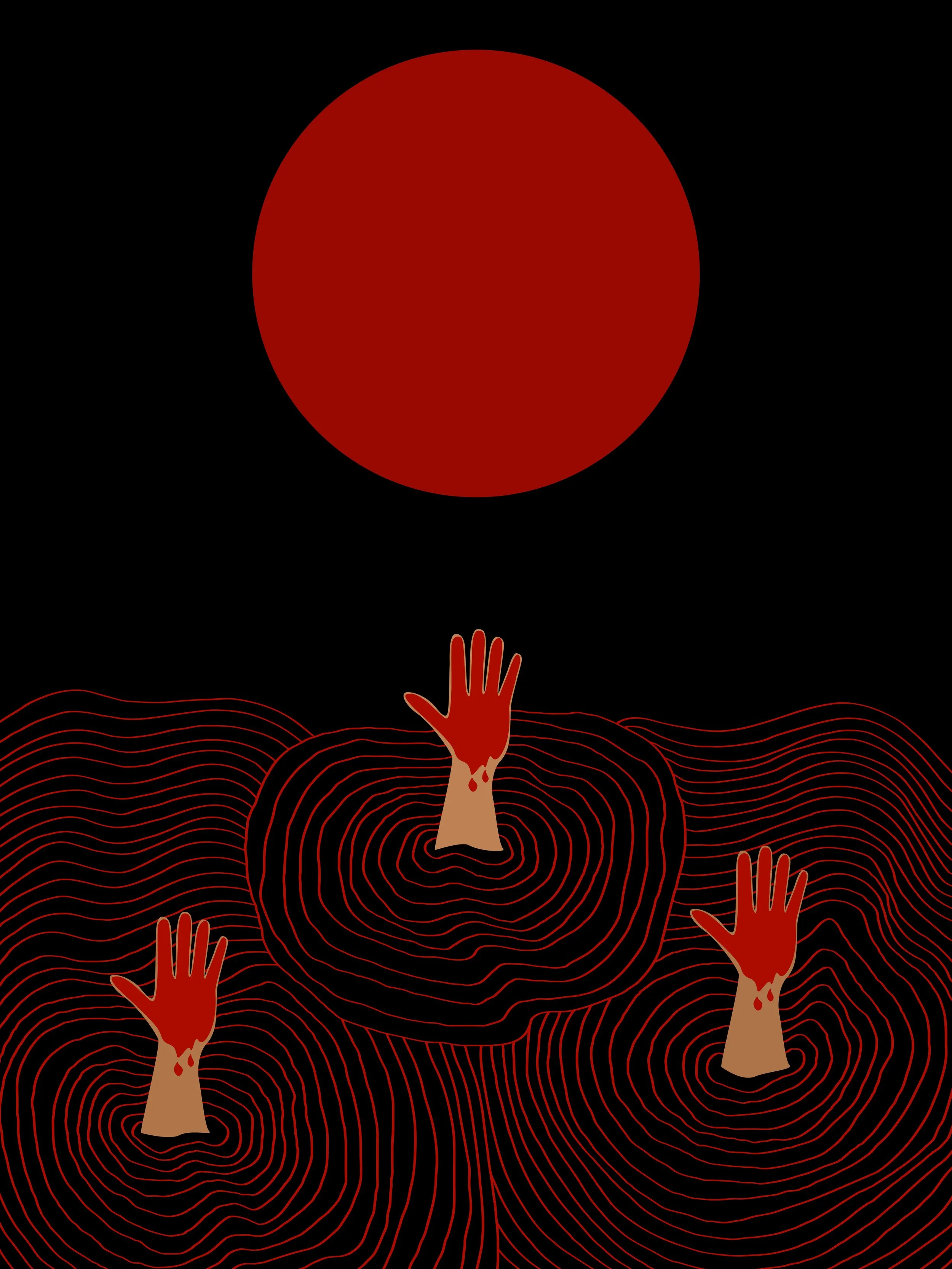
One night where I live the sky was lit up by a totally lunar eclipse, the earth was wedged perfectly between the sun and the moon. It is called a blood moon because of the red or amber color of the moon during this time. While this blood moon was in the sky, the blood or our Iranian people is being shed in the streets all over Iran. In Baluchistan province, which is home to ethnic minorities and is one of the most impoverished provinces in Iran, hundreds of people have been murdered by government forces. In Tehran, parliament voted that the 14,000 people who have been arrested for protesting can be punished by death. Many have already been sentenced to years of jail time and in some cases death. It’s safe to say that anyone who has been arrested has experienced some kind of torture. The terrifying thing is that these numbers are estimates, but the actual death toll is much higher. People are afraid to report deaths to the government for fear of retaliation. At times they are directly silenced by forces to not anger people or to gain international attention.

During the protests of 2023 reports coming out of the city of Zahedan were incredibly concerning. Government forces barricaded the city and put check points in place in an effort to isolate and stop the protests there. The brave people in Zahedan have been protested every Friday for weeks after the murder of Jina Mahsa Amini in response to some of the most violent state sanctioned murders in their region in the last 17 weeks. They have been subject to numerous public displays of torture and hangings. It has a large population of Balouch people who are an ethnic minority in Iran who have experienced great persecution and oppression.
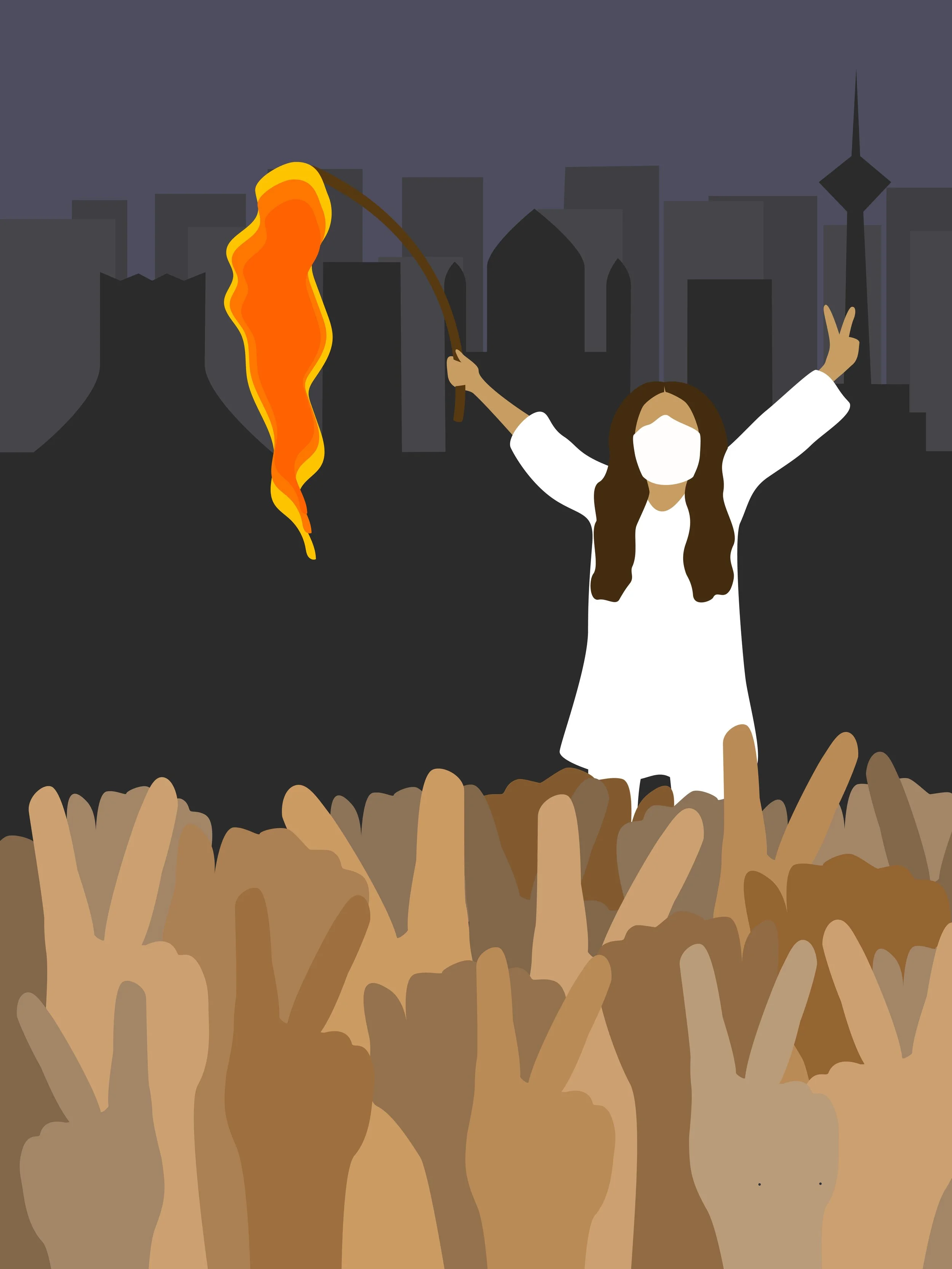
In Tehran in the wake of the murder of Jina Mahsa Amini in 2023 people flooded the streets in protest. Her unjust killing is one of many which were conducted by the Islamic Republic of Iran toward its Citizens. Iran has the highest rate of state sanctioned murders in the world. The people of Iran want a government that doesn't punish its people for existing. One that doesnt police women's bodies and murder them for their basic human rights.
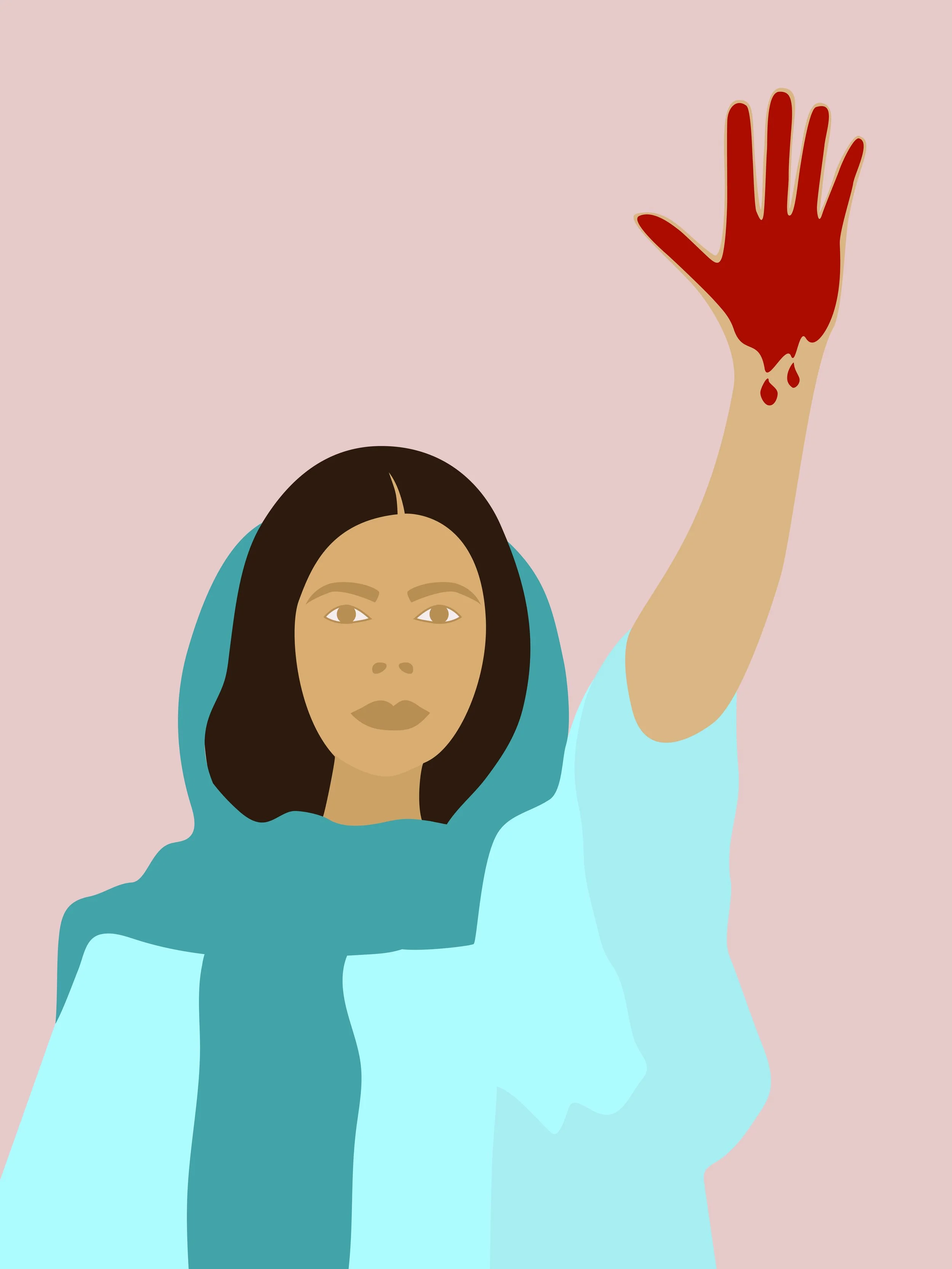
Iranian students have been painting their hands and leaving hand prints all over their schools in protest of state violence and the bloodshed they are responsible for. For almost 50 years they have imprisoned, tortured, and murdered anyone who does not comply with their rule. Students across Iran play a pivotal roll in protests whenever there is an uprising. Even in the 1979 Revolution, it was students who were leading the protests against the Shah's unjust regime.
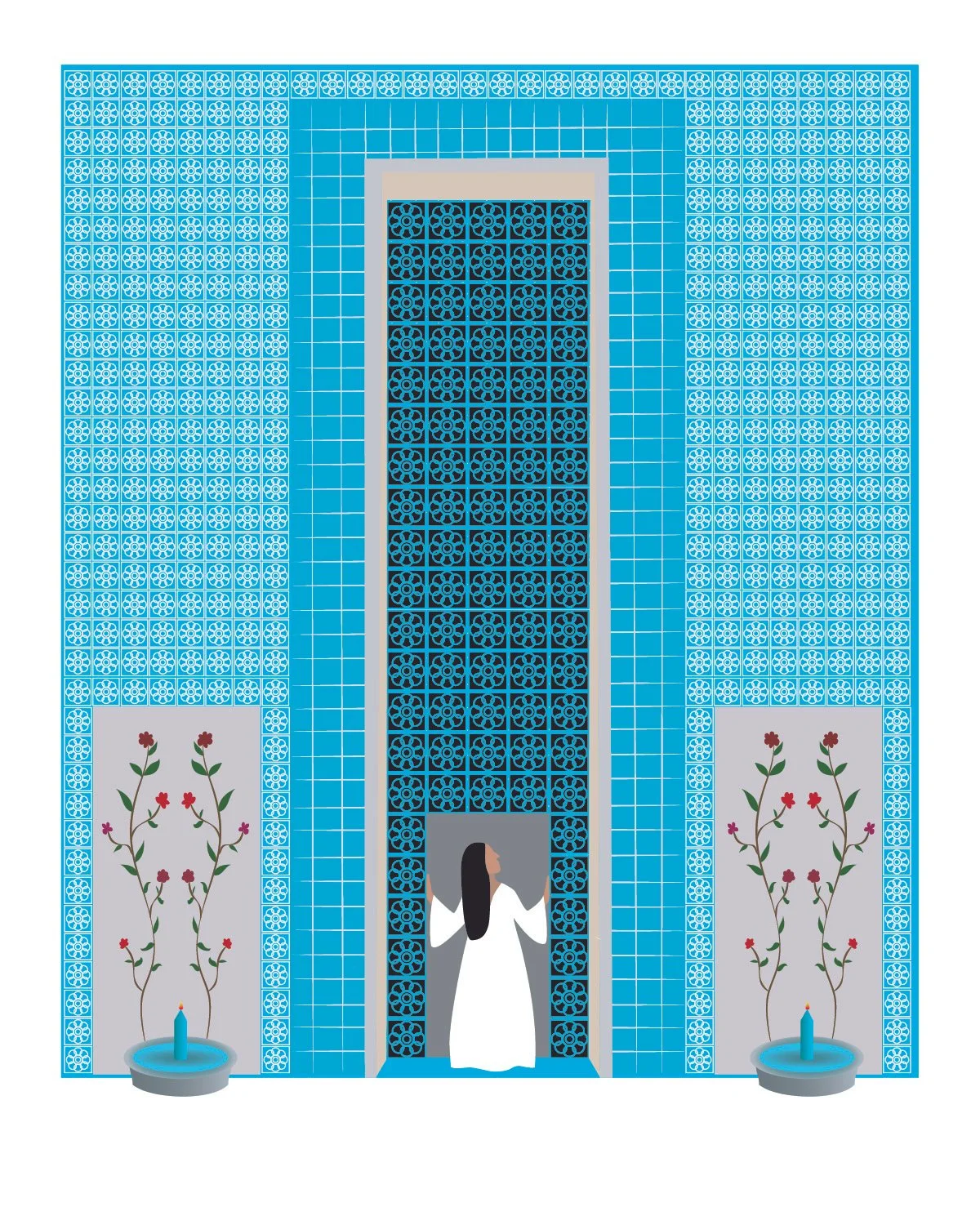
Don’t ever forgive the oppressors! Because mercy over them is tremendous cruelty to all people! -Saadi Shirazi. Saadi Shirazi is one of the greatest poets of the classical Persian literary tradition. Born is Shiraz in 1210, his legacy has gone far beyond what one could imagine. He is known worldwide for his writings. His tomb, depicted in this illustration is in Shiraz, which is a beautiful depiction of Persian art and architecture. It is a treasured historical sight.
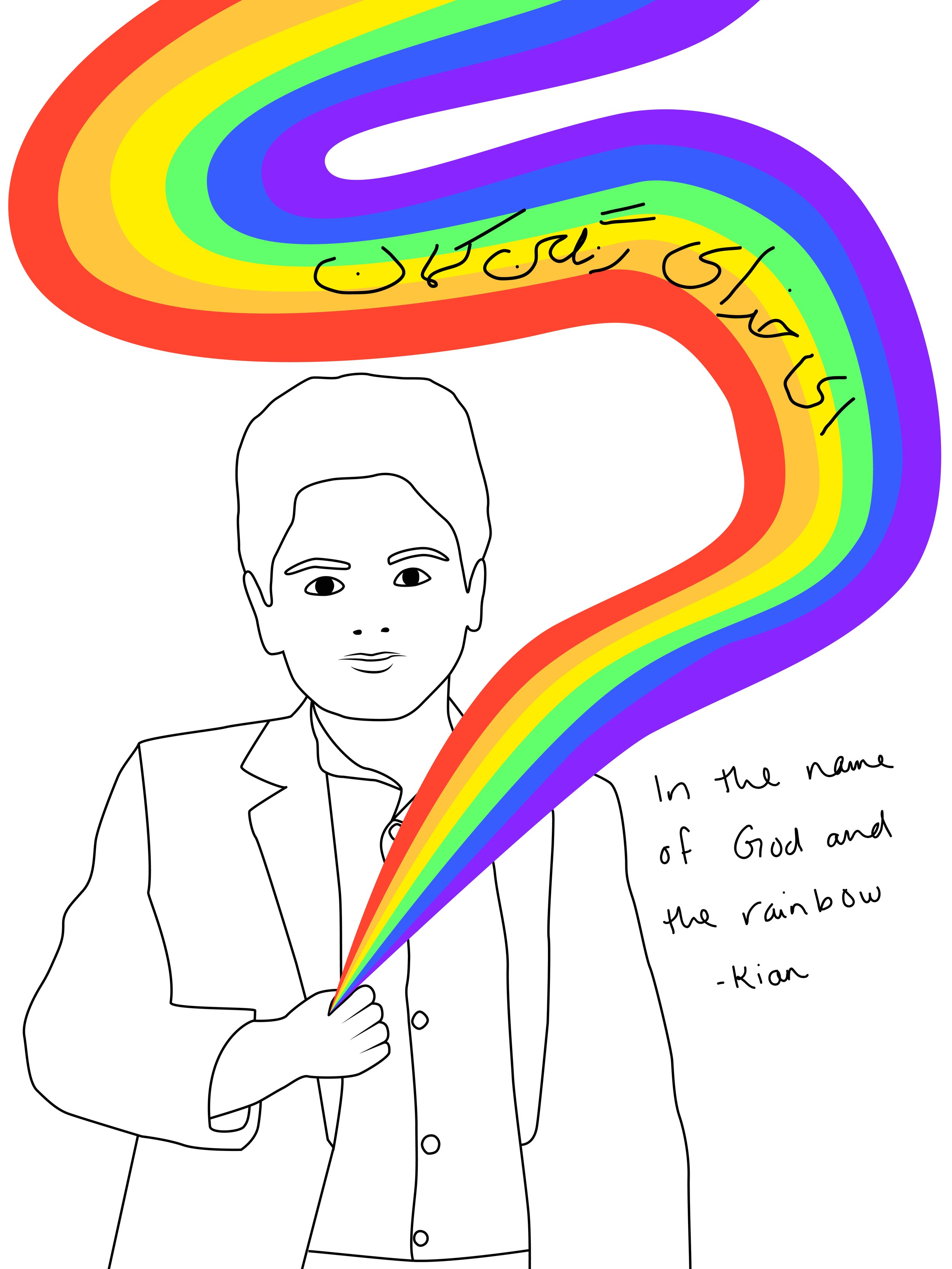
Ten year old Kian Pirfalak was on his way home with his father when he was murdered by Iranian government forces near his home. He loved experimenting and wanted to become a robotics engineer. In a video of him playing with a model boat he begins by saying “In the name of God and the rainbow.” A life taken too soon leaving behind unfulfilled dreams and a heartbroken family. There are no limits to the senseless violence and oppression from the government forces. They literally don’t care who they torture or kill. There is no humanity, no logic, no heart for these people. No kind of reform can change such a violent oppressor. There must be a systematic change and freedom for all people of Iran.
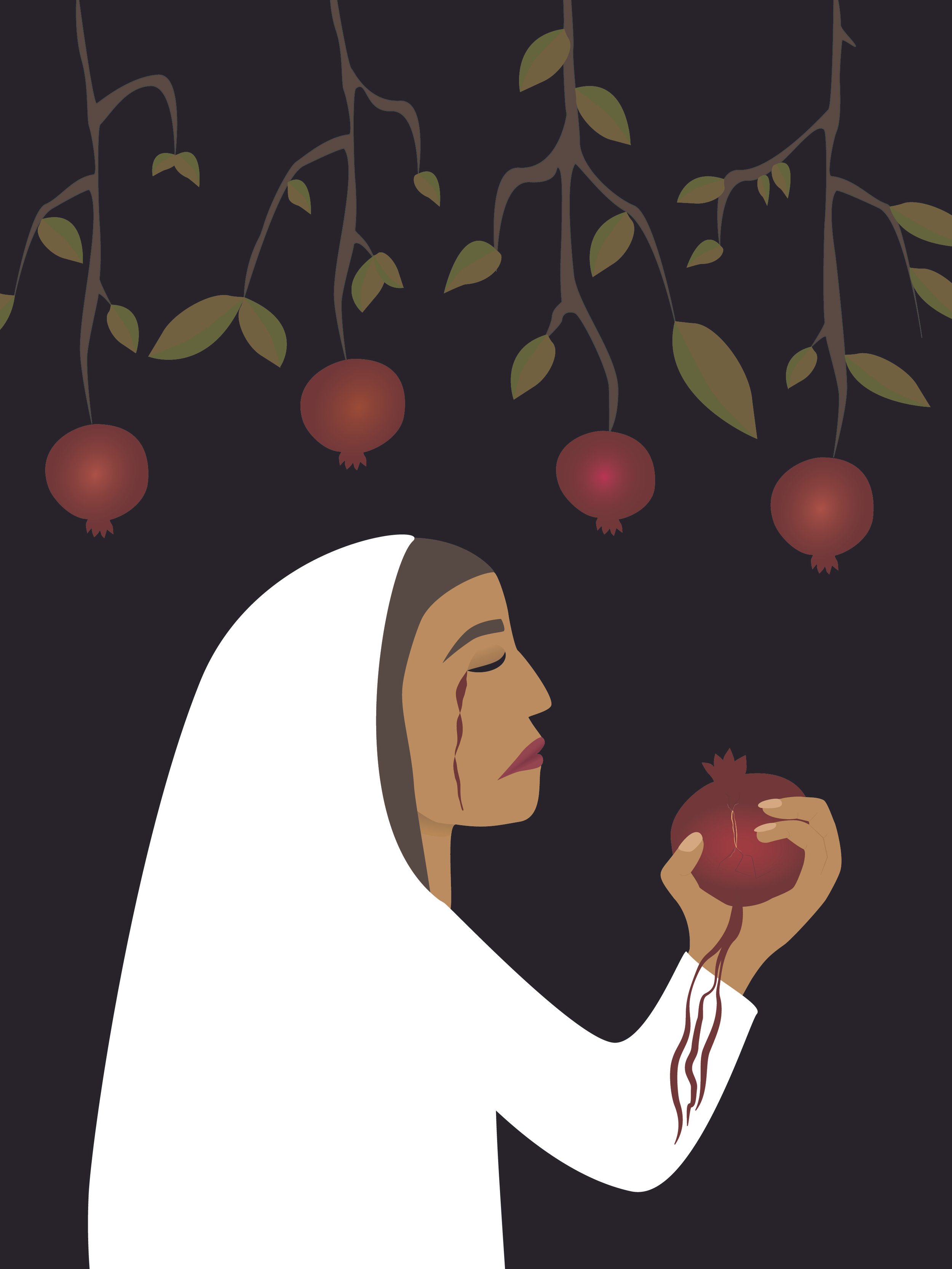
Shabeh Yalda (night of rebirth) which falls on the winter solstice and is the longest night of the year is normally a time of celebration in Iran. With the longest night of the year ending we celebrate the triumph of light over darkness and look forward to longer days. Friends and family gather, sing songs, tell stories and eat Anar (pomegranate) which is the national fruit of Iran. Anar symbolizes abundance, fertility, and immortality. But in 2022 there were no grand celebrations, only oppression and fear. Everyday we heard of more innocent children and adults being murdered at the hands of the government forces. One video showed musicians playing their instruments on the sidewalk to commemorate the holiday and as people gathered a religious cleric came out and yelled at them to stop. Music and dancing is illegal in Iran and therefore not allowed. The people couldn’t even have one moment of reprieve and joy from the strict authoritarian rule. But just as Shabeh Yalda ends, so must this oppression. There can be no abundance, fertility or immortality when innocent people are being tortured and murdered everyday.
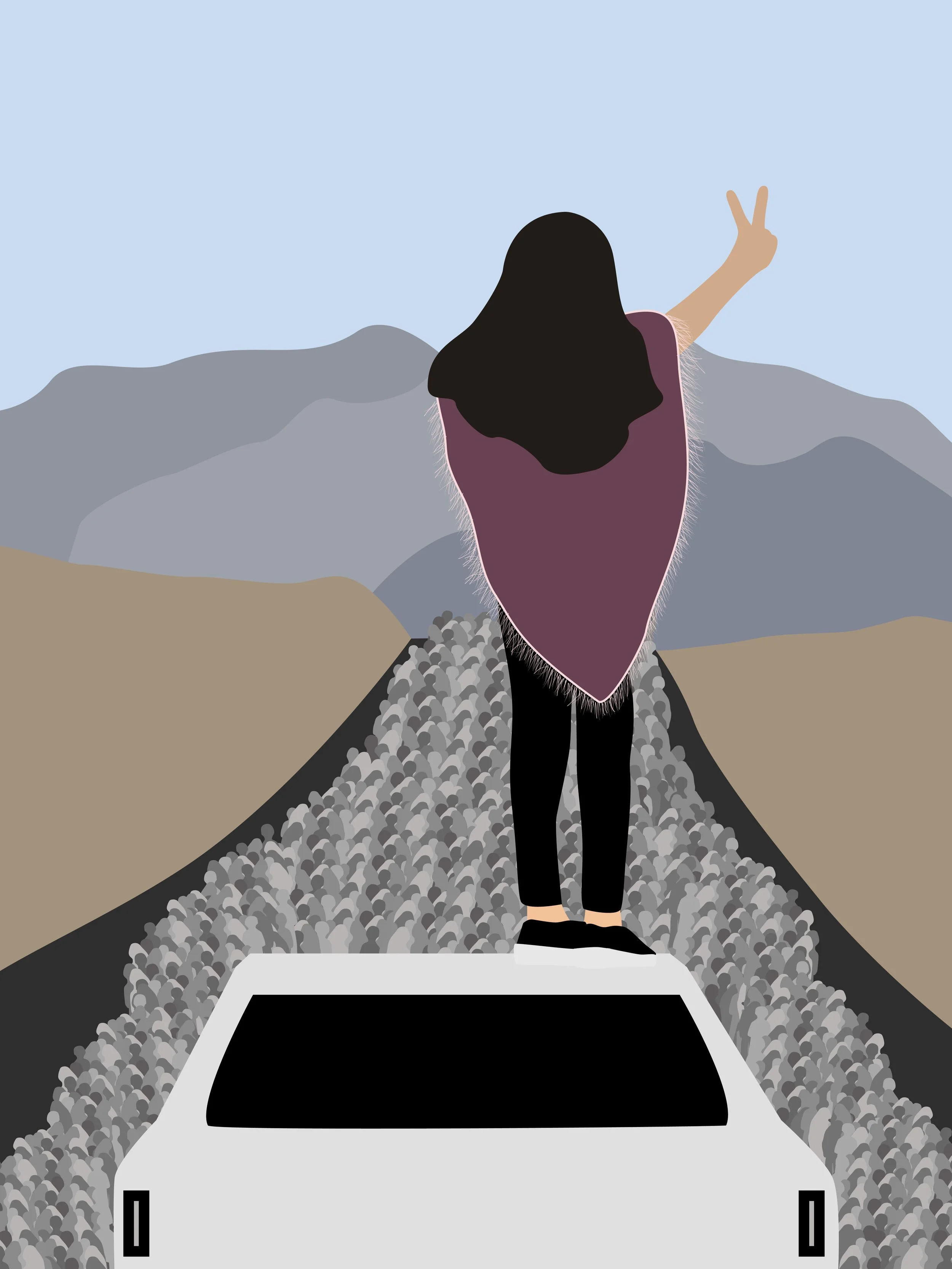
On the 40 day after the murder of Jina Mahsa Amini her family and the whole country were told to not go to her grave site to not stir commotion and fuel protests. As you can imagine this only motivated people more. It is estimated that over 100,000 people showed up. The police had blocked off the roads, but this didn’t stop the crowd from parking their cars in and along the street and walking miles to pay their respects. This is the power of this revolution, this is the lasting memory of Jina Mahsa Amini.
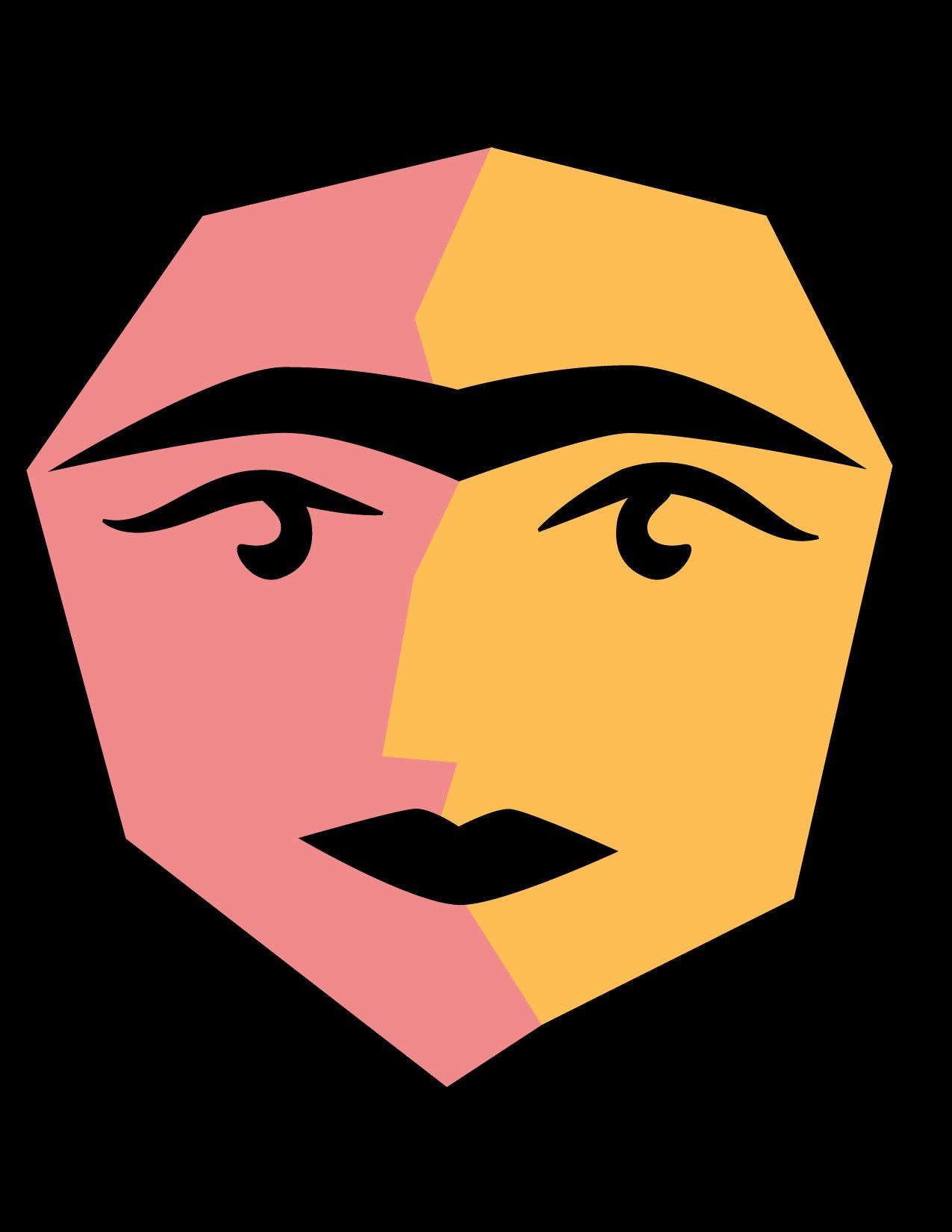
Ancient Iranian art has always been ahead of its time. In my exploration of Iranian history and art I found it so interesting how images of masculinity and femininity were different than other cultures. Even the Persian language doesn't have pronouns. All people are referred to as "they." Beauty standards have also been different than other cultures and Iranians have often been trend setters in this area. It was once considered ugly to have thick or connected eyebrows, but now people are getting cosmetic procedures to have thick eyebrows. All of this is ironic given the oppression that the Islamic Republic now inflicts on its women. Who are the highest educated and forward thinking people in the whole country. They depend on women to lead in all the different fields of development, in science, technology, medicine, architecture and more.
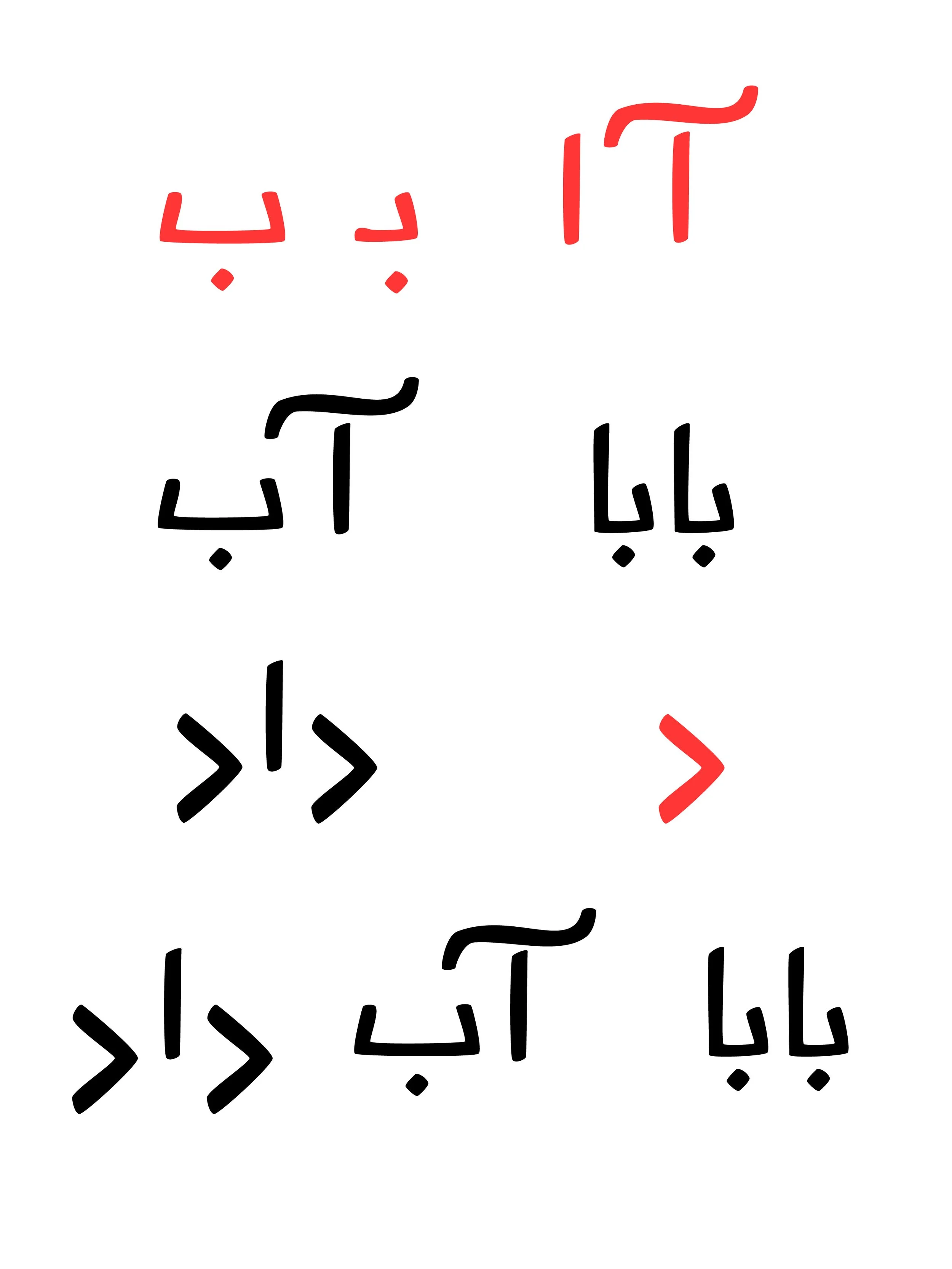
All Second generation Iranian children use the same books to learn Persian. The first page of lessons teaches a sentence that for some is as far as they get in their lessons. It has become a inside joke among us. Representing our desires to learn how to read and write in our mother tongue, but also the disconnect between us as those who are born and raised in Iran.
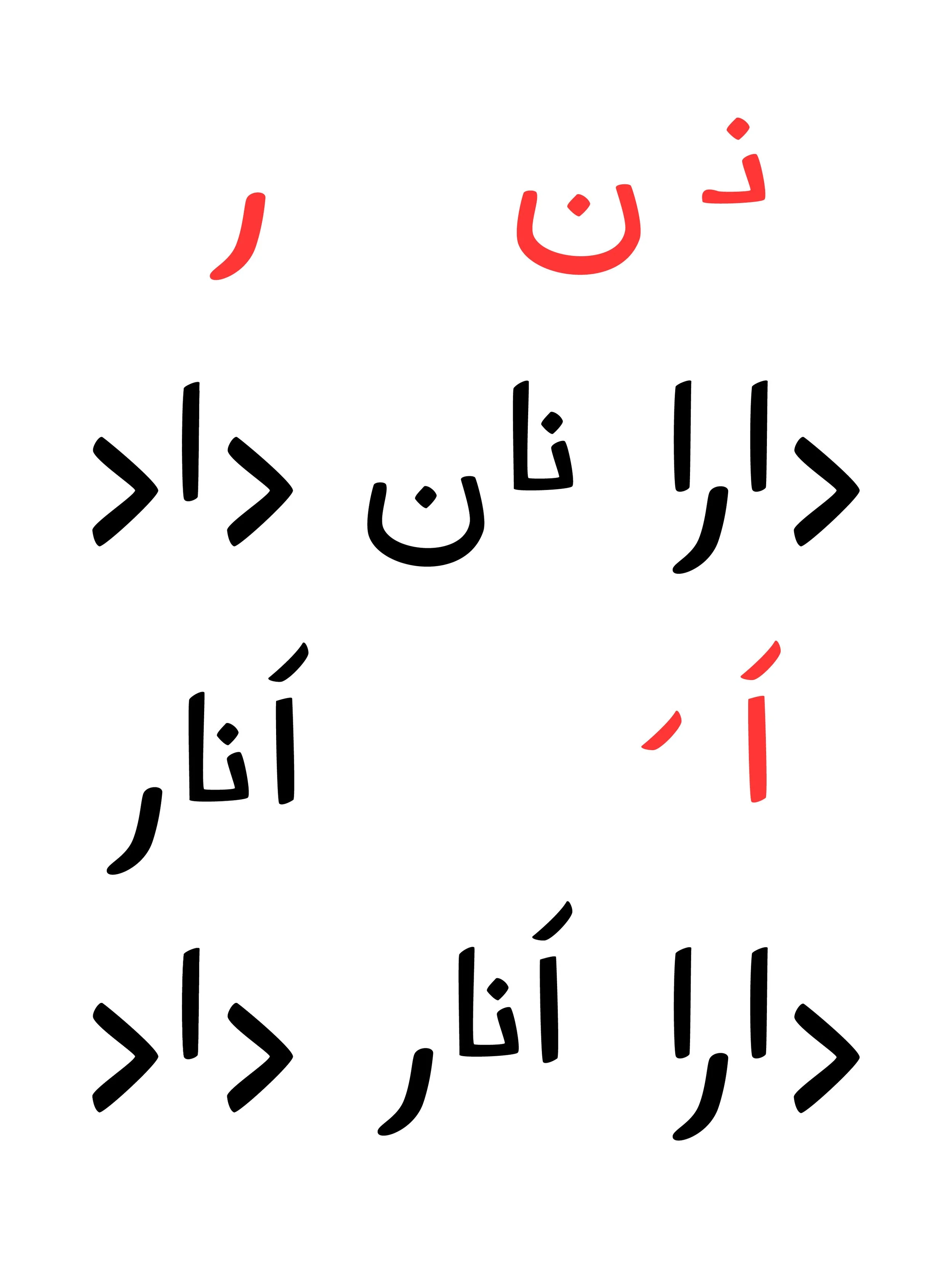
The second lesson in the Persian books we all used teaches the letters "N" and "Ah" which are used in the sentence "Dara gave bread." It is so challenging for Iranian parents raising their children in other countries while trying their best to teach their culture and heritage to their children.
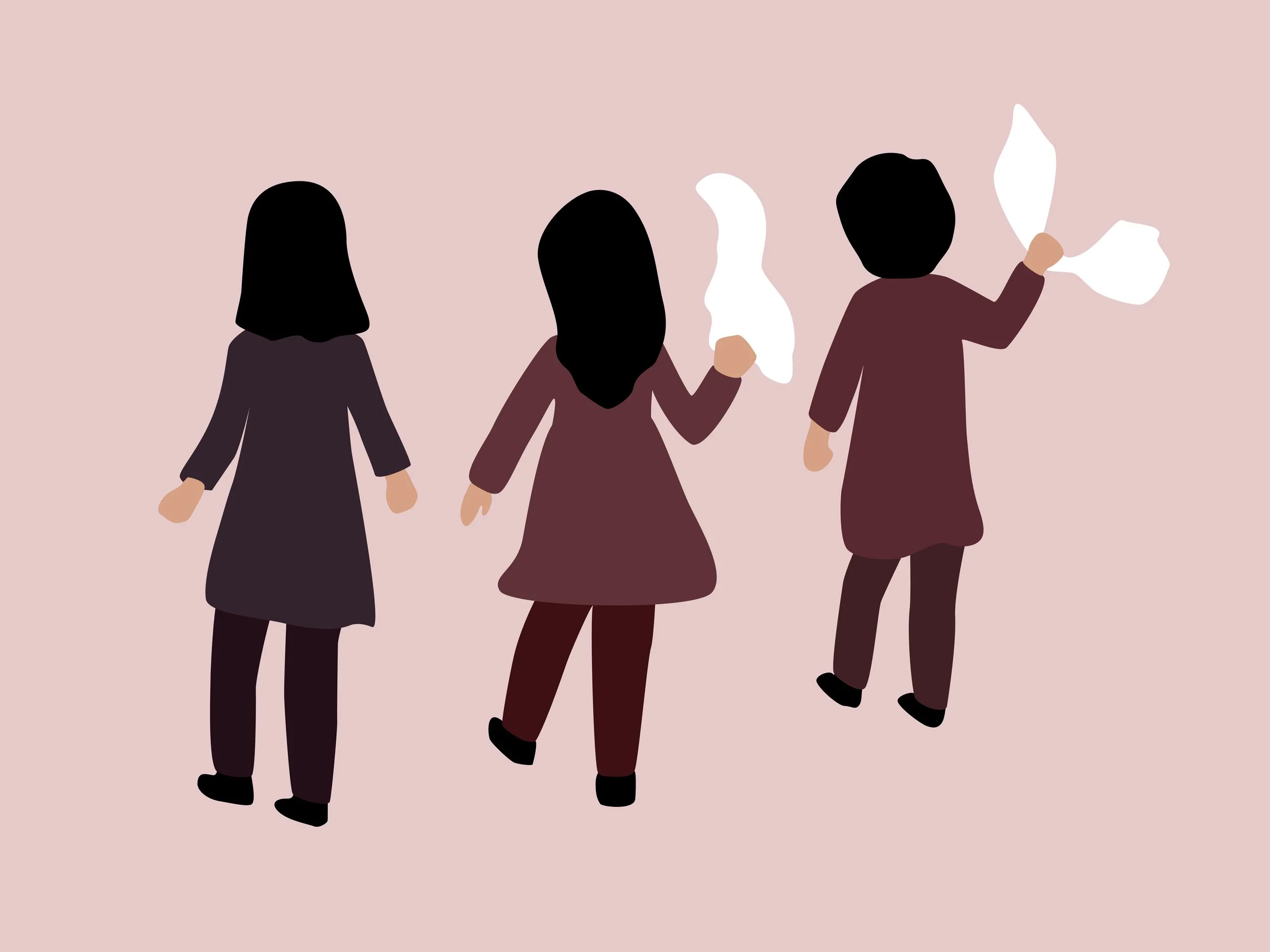
These three fierce girls took off their hijab that is part of the mandatory school uniform for girls when they start elementary school in Iran. They proudly shouted woman, life, freedom as they marched. As beautiful and touching as it was to see their strength, it broke my heart into a million pieces. My daughter is about the same age as these girls and she has been chanting these words as well. But my daughter’s life is not at risk in any way for speaking these words. My daughter isn’t forced to dress in ways she doesn’t chose. My daughter doesn’t have to fear losing her loved ones and community because they show their hair or stand up for their basic human rights. These children deserve to be raised in communities where they are free to be children, spending their time playing, exploring and being loved, not oppressed. We have to do better for them and for all the children of Iran.
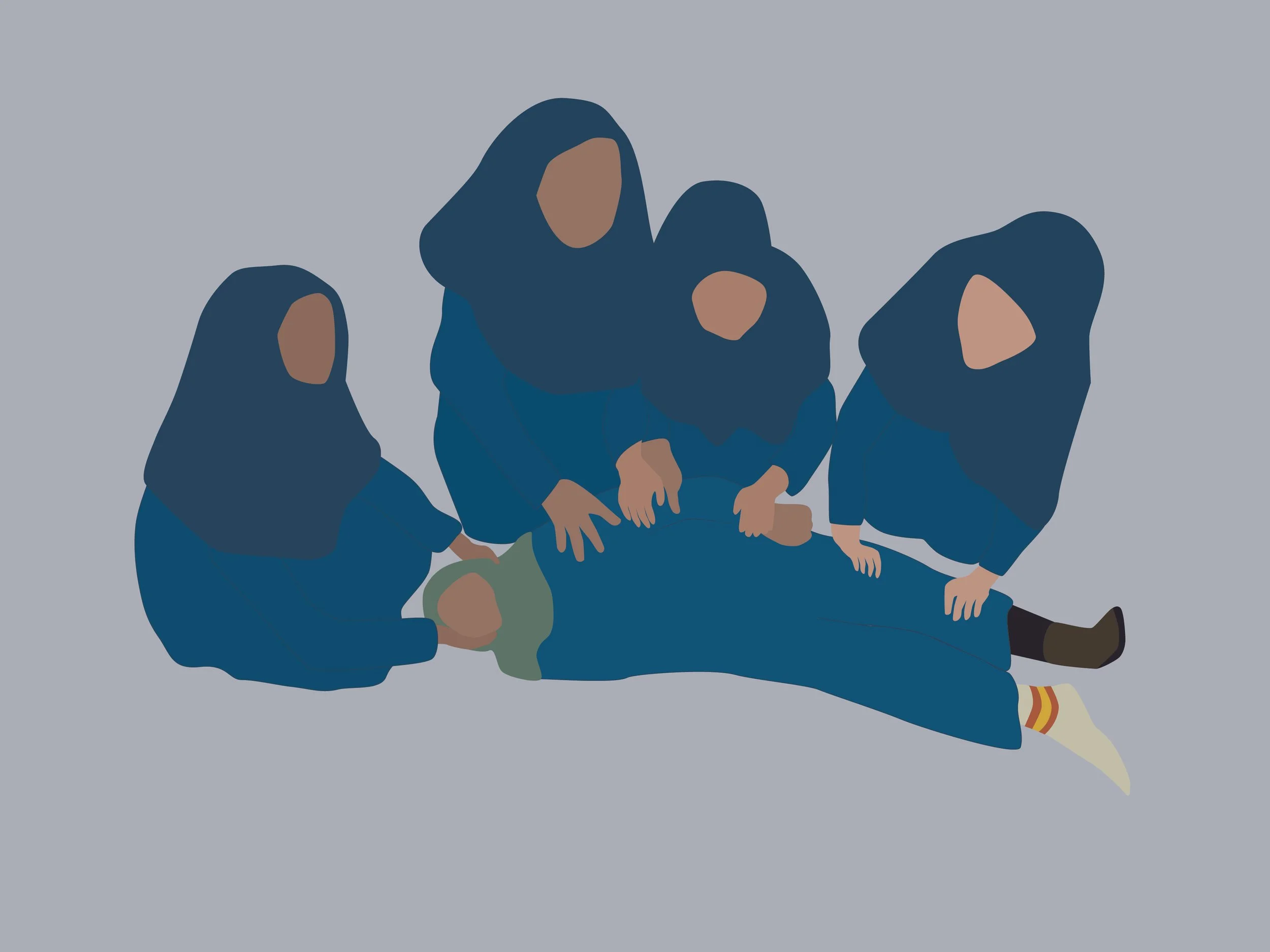
In March of 2023 hundreds of school aged girls were poisoned possibly by toxic gas in an effort to silence them and stop them from protesting. The revolution in Iran is being led by fearless youth who are seeking freedom and basic human rights for all Iranians. There was at least one death reported and hundreds of hospitalizations. In one image, a group of girls surround their classmate who had collapsed trying to help her.

Jina Mahsa Amini was visiting Tehran with her family when she was arrested by the morality police for improper hijab. This was the last time her family would see her alive, she was only 22 years old. The image of her parents mourning the death of their child in the hospital has haunted me since. In Iranian tradition on the 40th day after someone’s passing the family and friends gather at the grave for a kind of memorial service. The Iranian government told Jina’s family they should not go to the grave and create commotion. Since the widespread protests they have been threatened and silenced. But the world heard and rose up, there were protests all across the world in her name. All the lives lost will be remembered and we will continue to fight for justice, equality and freedom for all Iranians in their memory.

Since the 1979 Islamic revolution, women in Iran have lived under strict dress codes that include mandatory hijab/head scarfs regardless of peoples religious beliefs. They are controlled by morality police who fine and imprison women if they do not follow proper dress codes set by law. Many women in Iran are tired of living this way and are flighting for their right to choose how they dress. In 2017, one brave woman, Vida Movahed, stood on an electrical box and tied her head scarf to a stick in protest. Many women are following in the footsteps of her and other fearless women by removing their headscarves and protesting. They simply want the right to decide how to dress and cover their bodies instead of following rules made by an overbearing patriarchal regime. This illustration is inspired by her and all the incredibly courageous women fighting for their freedom in Iran.

This is a normal scene, right? A man and a woman sitting at a table eating chelo kabab. In Iranian schools starting in elementary school all the way up through university this isn’t allowed. Women and men aren’t able to sit together during lunch and are separated in classes too. In October 2024 in Sharif university male protestors stood in a row creating space for women without hijabs to enter the male cafeteria. They clapped and shouted Azadi! Freedom! They filled the room in celebration jumping up and down together. As you can imagine the Basiji quickly came and shut it down. Using the tables and chairs to barricade themselves (the Basiji) in the cafeteria. The students continued to chant in protest. Something like this happened at universities across Iran during the protests. There have been many crack downs on educational institutions across the country. They are assaulting students for any minor infractions or simply for being there. They know that these young bright minds are the ones who are going to change Iran and they are trying to silence them with fear and intimidation. “Observe carefully how education and the arts of civilization bring honor, prosperity, independence and freedom to a government and its people.”
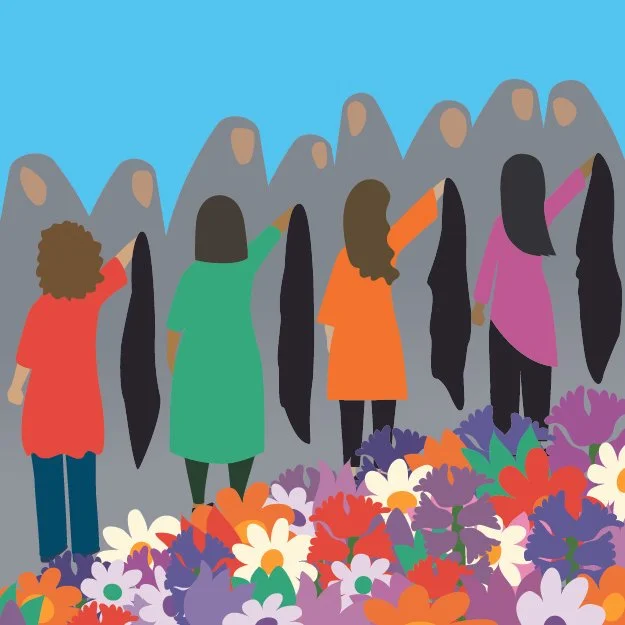
The day has come for Iranian women to step out from the shadows. To become free of the tyrannical rule and control of their bodies. No government should be dictating how women should dress.
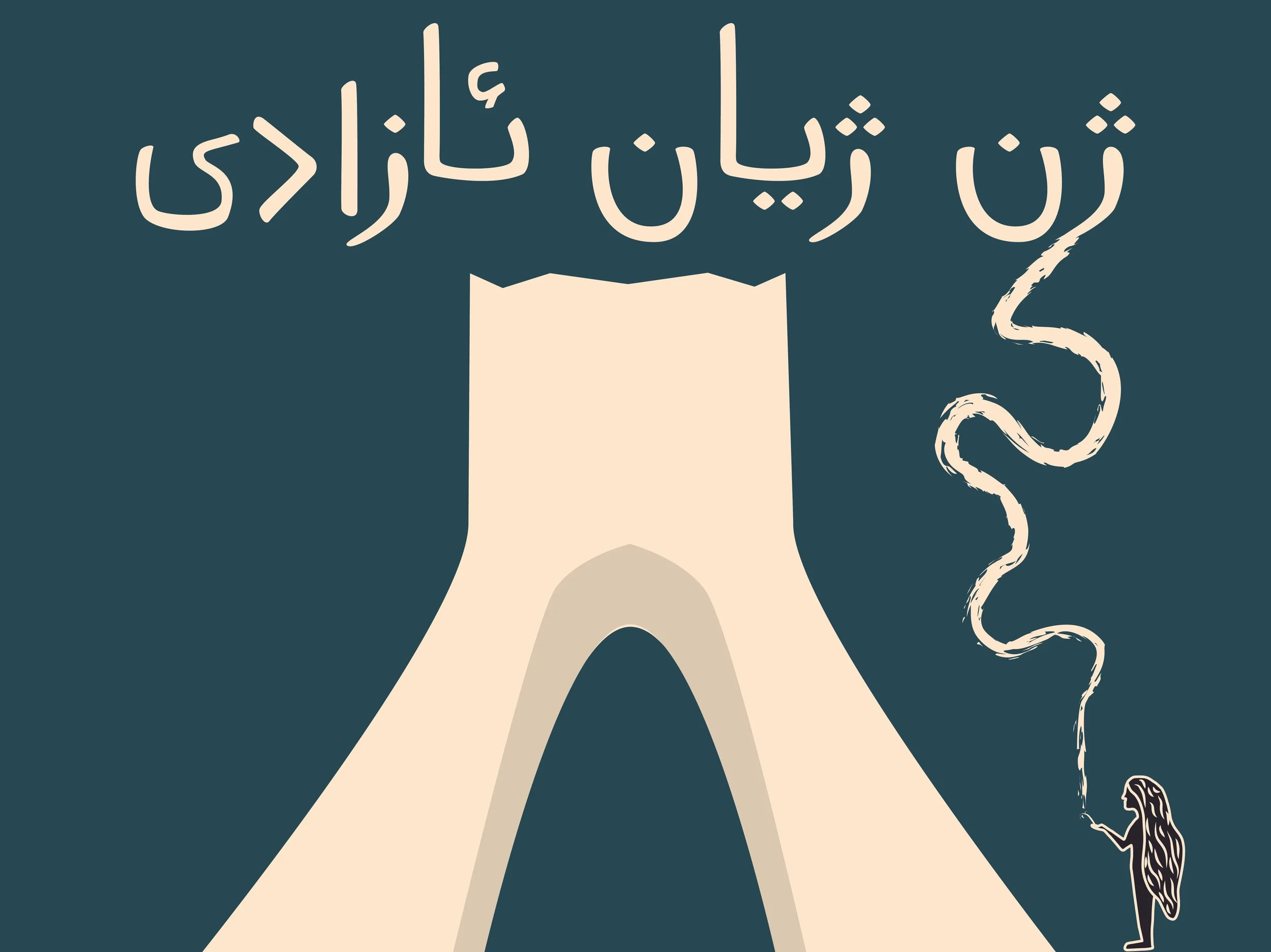
Jin Jiyan Azadi! Woman Life Freedom! The Kurdish slogan at the heart of this historic first female led movement. On this night of a full moon, the last night of the three day strikes that took place across Iran, people in the capital city of Tehran took to the streets. All the streets to Azadi (freedom) tower have been blocked off from people going there to stand in it’s light and be together. It has long been a symbol of freedom and pride for Iranians. The government turned off its lights in hopes of deterring people from going there, but as you can imagine, it did nothing but fuel people’s resolve to get there. The bravery of the protestors is unbelievable.
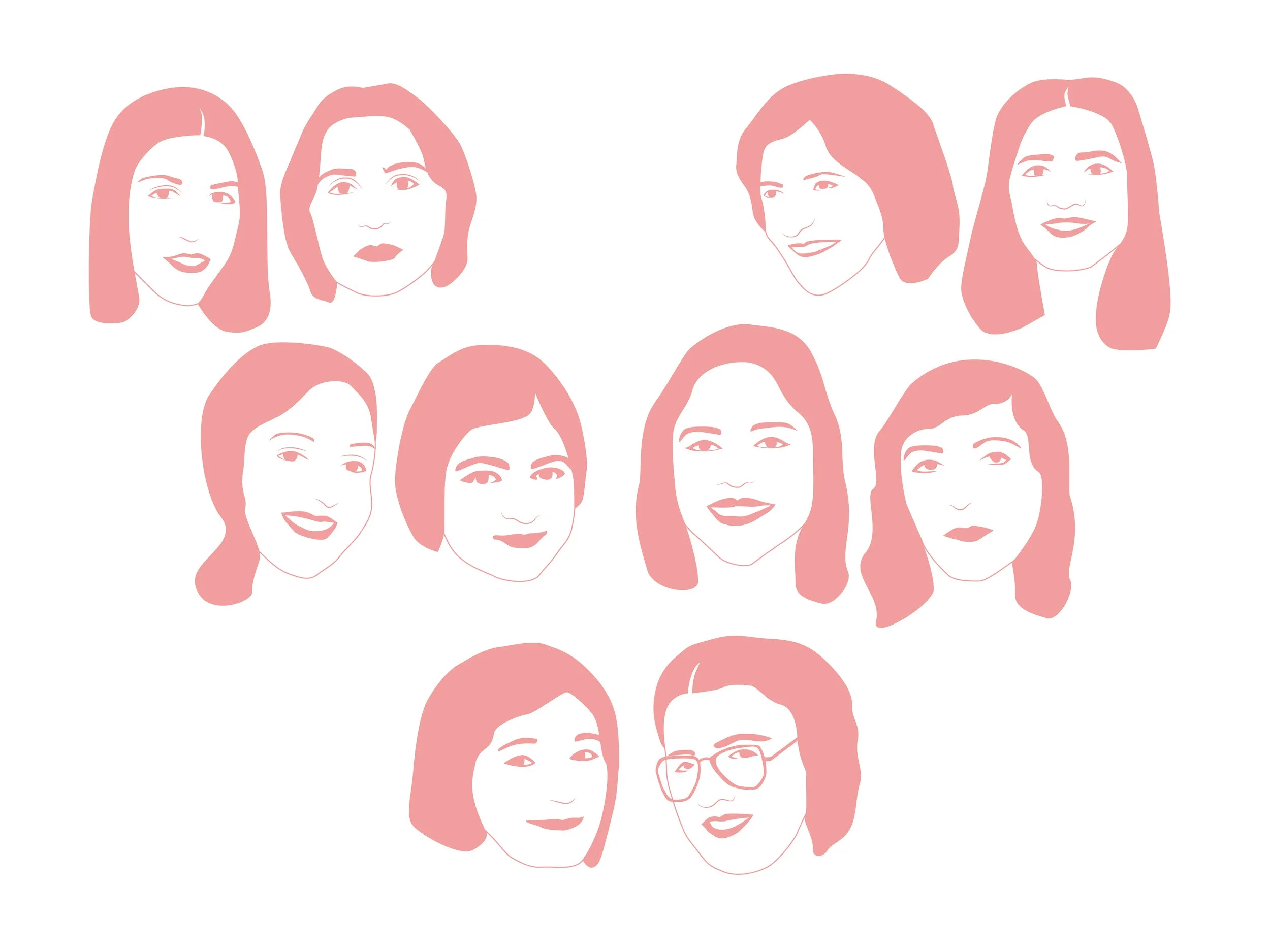
On June 18, 1983, 10 Bahá’í women in Iran were executed. Since it’s inception over 250 years ago, followers of the Bahá’í Faith have experienced extreme persecution and many times suffered execution at the hands of the Iranian government. These organized attacks on Bahá’ís continue to this day. Today we honor the ten women who were executed together by hanging in Chowgan-Square in Shiráz in 1983. Their remains were never returned to their families. Their executions came after months of imprisonment and torture. Their crime? Being members of the Bahá’í Faith. It is currently illegal for Bahá’í in Iran to attend universities, to own homes and if their employer finds out they are Bahá’ís they are meant to be fired.